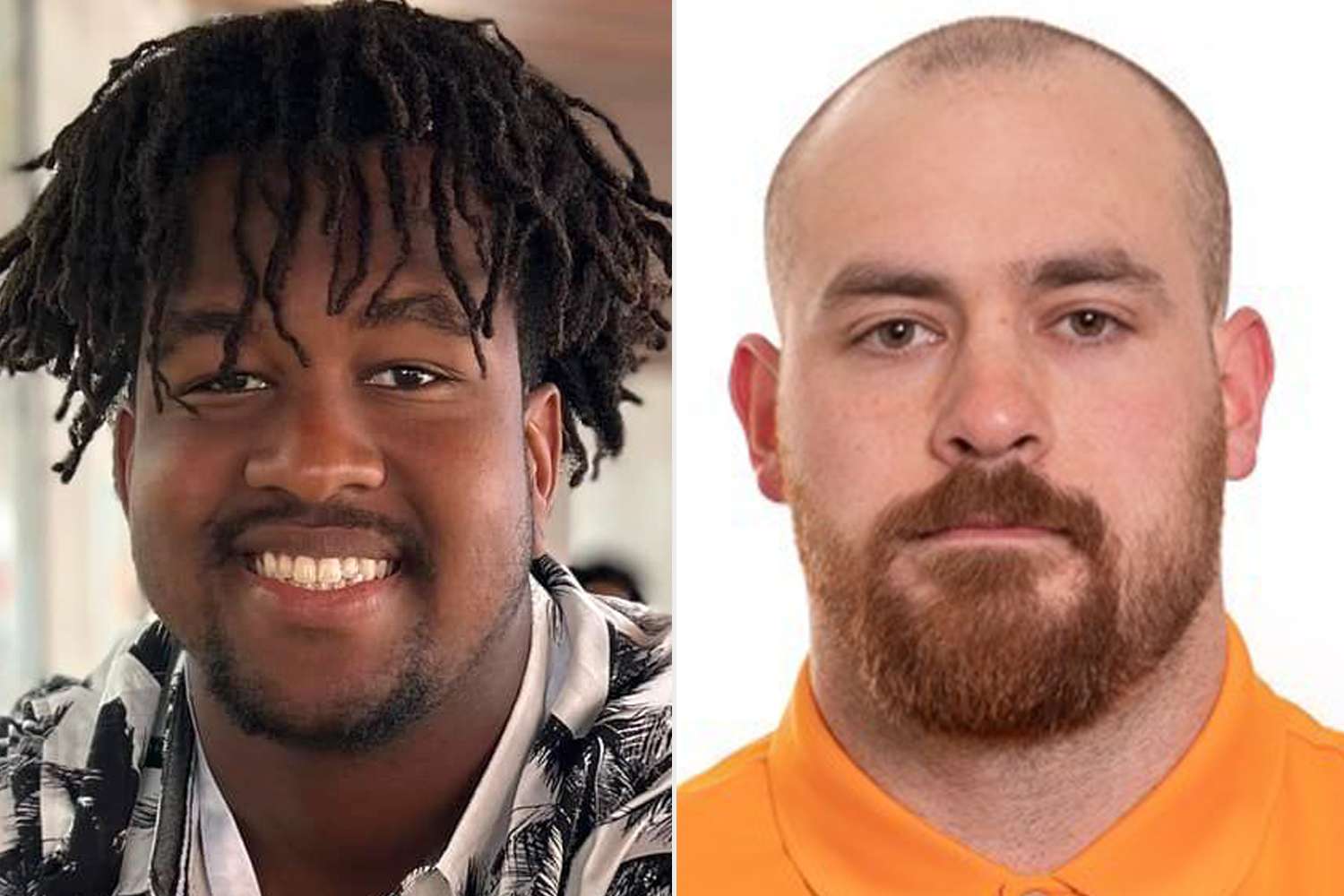
More than a year after the tragic death of Bucknell freshman football player Calvin “CJ” Dickey Jr., Pennsylvania prosecutors have announced criminal charges against the strength and conditioning coach who oversaw the workout that preceded his collapse.
The Pennsylvania Attorney General’s Office announced that former Bucknell University strength coach Mark Kulbis has been charged with felony aggravated hazing, as well as misdemeanor counts of involuntary manslaughter, reckless endangerment, and hazing.
The charges stem from a conditioning session on July 10, 2024, when Dickey, an 18-year-old freshman from Tampa, Florida, collapsed after participating in what investigators described as an excessively demanding workout.
Prosecutors: Coach Ignored Known Medical Risks
According to investigators, Kulbis instructed members of the Bucknell football team to perform approximately 100 “up-downs”—a conditioning drill requiring players to repeatedly drop to the ground and quickly return to their feet—followed by full-body plank exercises.
Authorities allege the workout exceeded the planned conditioning session and that Kulbis knew Dickey carried the sickle cell trait, a condition that significantly increases the risk of exertional collapse during intense physical activity.
The Attorney General’s Office contends that despite Dickey showing visible signs of physical distress, the workout continued. Prosecutors further allege there was a delay in seeking emergency medical assistance after Dickey collapsed.
Dickey was transported to a nearby hospital, where he died two days later.
Autopsy Determined Death Was Preventable
According to investigators, Dickey died from complications related to exertional rhabdomyolysis brought on by extreme physical exertion, with his sickle cell trait serving as a contributing factor.
Medical experts have long warned that athletes with sickle cell trait require modified conditioning protocols and immediate intervention when signs of exertional distress appear. The NCAA has established guidelines intended to reduce the risk of exertional collapse among athletes with the condition.
Attorney General Dave Sunday said the evidence gathered during the investigation indicated established safety protocols were not followed.
“This young man’s death was preventable,” prosecutors said while announcing the charges.
Kulbis Faces Multiple Criminal Counts
Kulbis now faces:
- Felony aggravated hazing
- Misdemeanor involuntary manslaughter
- Misdemeanor reckless endangerment
- Misdemeanor hazing
The case marks one of the most significant criminal prosecutions involving college athletic conditioning drills since Pennsylvania strengthened its anti-hazing laws.
Defense Denies Wrongdoing
Kulbis’ attorney pushed back against the allegations, saying the former coach is not criminally responsible for Dickey’s death.
The defense maintains the workout fell within accepted conditioning practices and says Kulbis intends to vigorously contest every charge filed against him.
Bucknell Responds
Bucknell University acknowledged the charges and said it has cooperated fully with investigators throughout the Attorney General’s investigation.
“Bucknell has cooperated with the Pennsylvania Attorney General’s Office throughout its investigation,” a school spokesperson said in a statement. “Because this is now an active criminal matter, and related civil litigation remains pending, the University will not comment on the allegations or legal proceedings.”
The university declined to comment further because of the ongoing criminal proceedings but again extended its condolences to Dickey’s family.
A Case That Could Shape College Athletics
Beyond the courtroom, the prosecution could have far-reaching implications across college sports.
Strength and conditioning programs have come under increased scrutiny in recent years as schools face mounting pressure to balance competitive preparation with athlete safety. Cases involving exertional deaths, particularly among athletes with sickle cell trait, have prompted renewed calls for stricter oversight, enhanced emergency response procedures, and greater accountability for coaches responsible for high-intensity workouts.
As the legal process unfolds, the Bucknell case is likely to become another defining moment in the ongoing national conversation surrounding player safety, conditioning standards, and the duty of care owed to student-athletes.